
Start with an operational challenge / Reduce scrap and rework
Follow scrap and rework back to the decision.
Evaluate the records needed to understand rejected material, repeated operations, disposition, and cost.
Request a demo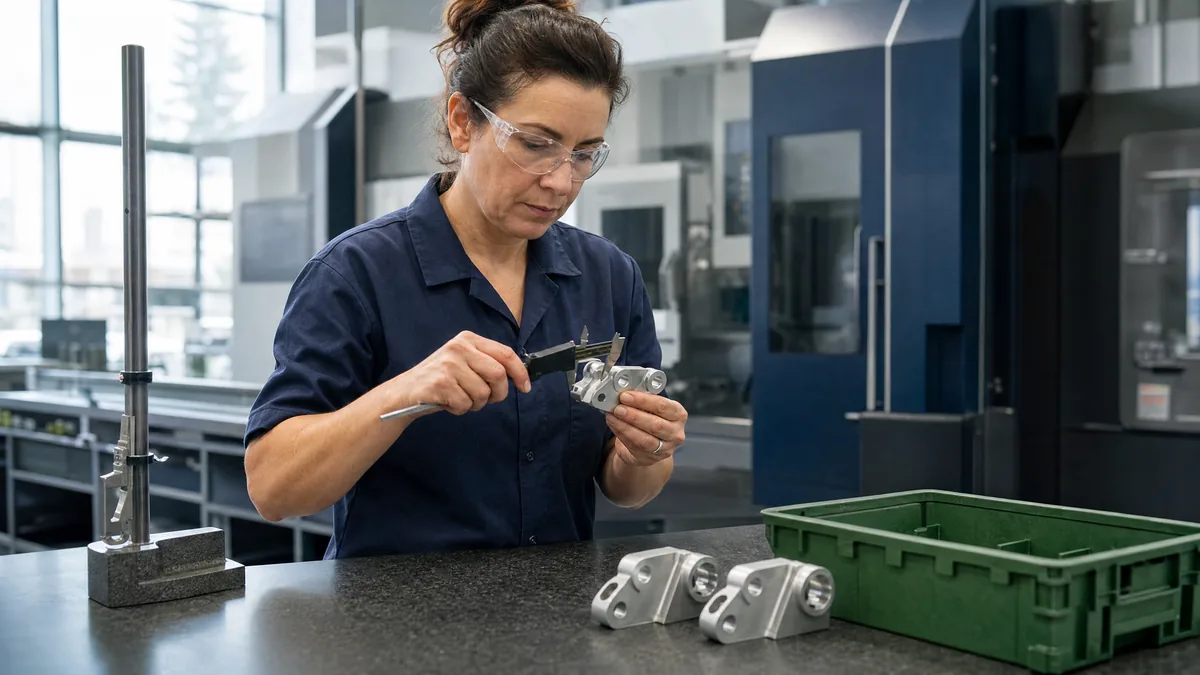
A PRACTICAL EVALUATION
Follow a representative workflow.
Bring a real process your team knows well. Use synthetic or approved sample records, and walk through the decisions below with the people who own them.
Define scrap and rework categories with your production and quality owners.
Trace a rejected quantity through disposition, additional work, and consumed material.
Reconcile the record to job cost and review possible causes without assuming causation.
Make the handoff testable.
For each step, agree on the source record, responsible person, required approval, and next department. Then introduce a missing record, denied permission, or correction and see how the process recovers.
Evaluation guidance, not a claim of enabled capability. Availability, integrations, controls, and acceptance criteria must be confirmed for the exact release and customer scope. Industry references do not imply certification or regulatory approval.
PICTURE THE OPERATING EXPERIENCE
Give the handoff a shared context.
Define scrap and rework categories with your production and quality owners. See how a sample record, its evidence, and the responsible team could come together.
The detail behind the decision.
Inspection packet
Drawing & revisionCorrect revision linked to the job
LinkedMaterial evidenceReceipt and source record attached
AttachedBore finish observationReview required before disposition
ReviewAn observation is not a release decision. The authorized quality reviewer owns the disposition.
Concept illustration, not a released interface. Functionality and controls are confirmed for the proposed customer scope.
Explore the next handoff.
Quality
Explore inspection, nonconformance, and disposition in the context of the work and material they affect.
Production
Bring the released job, shop-floor progress, and the next department’s needs into one production evaluation.

Finance
Evaluate how job, material, labor, purchasing, and shipment records should connect to your financial process.
AI-generated manufacturing illustrations, not customer facilities.
Your next step
Build a demo around your operation.
Tell us how reduce scrap and rework connects to the rest of your business. We’ll use that context to discuss the workflow and proposed scope.